Stored XSS to Account Takeover on Web3
Hey hunters, hope you’re all doing well.
Today I want to share my story about how I discovered a Stored XSS vulnerability that allowed full account takeover (ATO) on a Web3 website. It was one of those targets where I almost gave up, but I’m glad I stayed the course.
The Beginning
I was browsing through programs on HackenProof when I noticed a target with a wildcard scope:
1
*.site.com
It already had over 100 reports submitted. My initial thought was that it might be heavily tested and difficult to find something new, but I decided to take a look anyway.
Like most bug hunters, I began by testing the login and signup functionality. The security there seemed solid, and I didn’t find any immediate vulnerabilities. I assumed this was going to be a challenging target.
The Unexpected Lead
While exploring the main site, I came across a community post section where users could share questions, tips, and discussions. This immediately caught my attention because any feature that allows user-generated content is a potential place for injection vulnerabilities.
The First Test
I decided to start small and test for basic HTML injection using a simple payload:
1
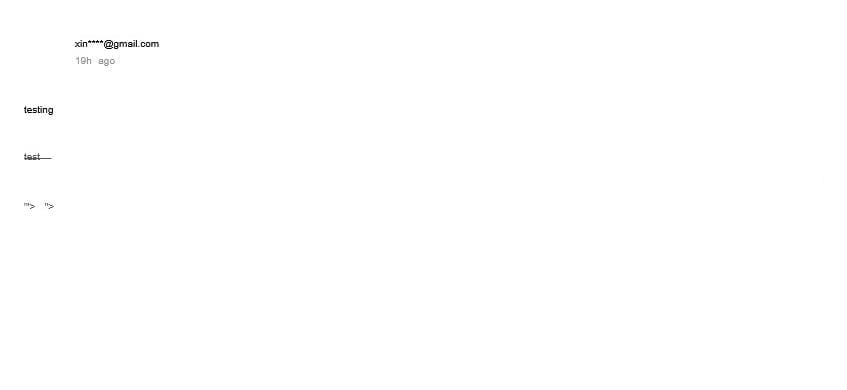
<b>test</b>
I posted it, navigated to my profile, and viewed the post. The HTML rendered exactly as I had entered it. This was a clear indication that the input was not being properly sanitized.
Moving to XSS
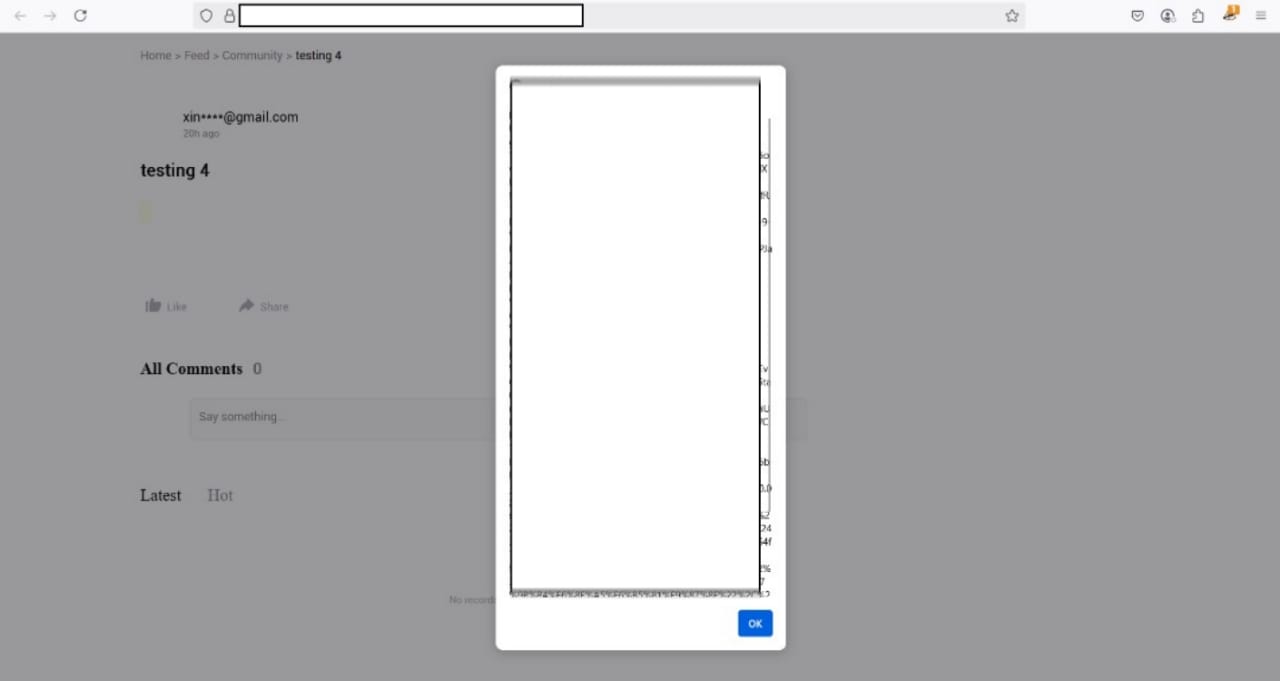
Next, I tried a reflected XSS payload, and it worked.
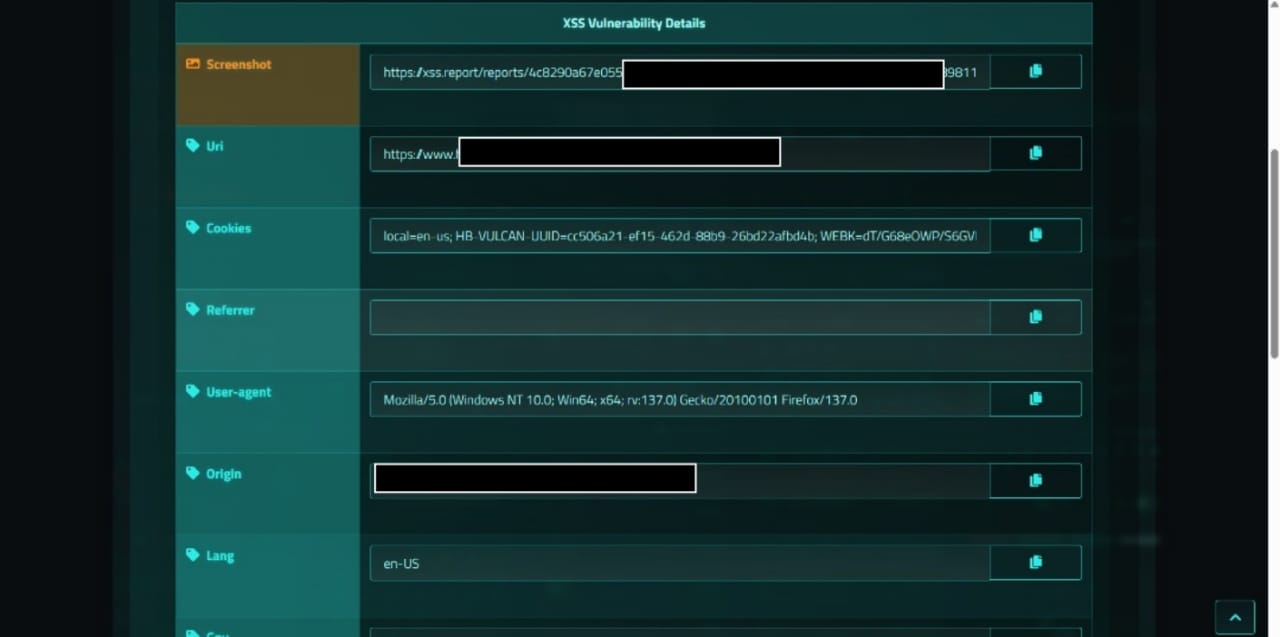
At this point, I wanted to determine the full impact, so I used my XSS payload designed to send session data to my server. I injected the payload into a post and visited it:
1
// "><script>...</script>
Each time I viewed my own post, my server received the cookies and session tokens. This confirmed that if any other user, including administrators, viewed the post, I could compromise their account.
The Impact
By exploiting this issue, I could:
- Steal session cookies and tokens from any user who viewed the post.
- Hijack accounts, including those with administrative privileges.
- Access sensitive personal data stored in the account.
This meant a complete account takeover was possible.
The Report and Outcome
I submitted a detailed report including:
- The affected endpoint:
https://www.site.com/microapps/en-us/xxxxxx/xxxxxxx/ - Steps to reproduce.
- A proof-of-concept showing the data being exfiltrated.
The team confirmed the vulnerability, fixed it, and awarded me $1,500.
Recommendations
- Sanitize and escape all user-generated content before rendering.
- Use a library such as DOMPurify to filter HTML and JavaScript.
- Implement a strict Content Security Policy (CSP).
- Validate input on both the client and server sides.
- Use HTTP-only flags for sensitive cookies to prevent client-side access.
Takeaway for Bug Hunters
Not all vulnerabilities are hiding in login pages or critical functionality. Sometimes the most impactful issues are buried in community or user-interaction features. Always test features where users can post, comment, or upload content.